

Taking Care of Pets
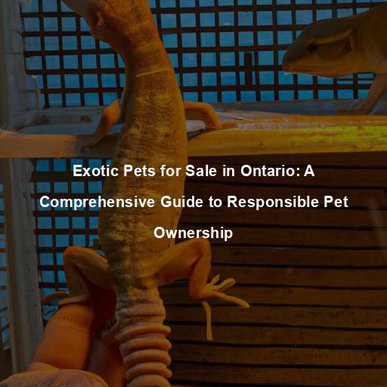
Pets add much-needed companionship to our lives. However, they can be expensive. A few minutes of prevention is often worth the cost.
Pets require regular grooming, nail trimming, a balanced diet and regular exercise. Even lizards and fish require a lot of attention! But how can you make sure that your pet is getting enough?
pet care products to humans, the quality of your pet's food plays a major role in their overall health. The old adage, "you are what you consume," is definitely true for pets as well.
It is recommended to feed your pet premium pet foods from a reputable and reliable brand to ensure she gets the nutrition she requires. Established, reputable pet food companies invest time and research into creating pet food that allow your pet to flourish. They are more likely to be free of ingredients that can make your pet sick.
A balanced diet should include carbohydrates as well as vegetables, fats, and proteins. These nutrients can help promote growth and provide your pet with energy. A proper combination of these nutrients will provide your pet the balanced nutrition she needs.
It is recommended to only feed your pet vegetables and fruits in small amounts. Certain vegetables and fruits, such as avocado, rhubarb, wild mushrooms and chocolate are harmful to cats and dogs, while others, such as grapes can cause kidney damage. Speak to your veterinarian before you feed your pet any new fruits or vegetables. Our team can provide suggestions on what fruits and vegetables your pet is able to eat.
pet care products is not just good for your health but it is also crucial to the well-being of pets. Pets must exercise at least 30 minutes a day. By providing them with this exercise, it will aid in burning off any excess energy, which can reduce behaviors like digging or chewing that are often due to boredom or anxiety.
In addition to cardiovascular workouts, muscular training is important for pets as well. It improves flexibility and mobility and strengthens bones and joints. This can include exercises like walking up and down stairs or playing soccer ball. Supervised playtime is another great method to exercise pets, especially those who live on their own or are kept in different homes or enclosures. This will allow pets to socialize and run around and can aid in keeping their minds sharp.
When exercising your pet, it is essential to start slowly and progress to the recommended time according to their age and physical abilities. It is also important to ensure that they are drinking plenty of water prior to, during, and after any exercise.
Healthy Habits
Healthy habits are the key to a long, happy life for your pets. You can assist your pet to develop and maintain healthy habits for the rest of their lives. These habits will benefit your pet's physical and mental well-being, and also strengthen your bond with them.
Healthy pet habits include regular exercise, a variety of toys to stimulate your mind and dental treatment. Regular check-ups allow your vet to spot any problems early, which saves time and stress rather than waiting until your pet starts showing signs of illness.
Be aware of any changes in your pet's behaviour or eating habits as they could indicate a underlying health problem. Weight change or loss, restlessness and destructive behaviour are all indications to look out for.
It is also essential to take your pet out for walks or to play with their friends every day, since this can help prevent depression and loneliness, which can lead to behavioral issues. It's also a great way to show your pet how much you love them.
Vaccinations
Vaccines build your pet's immunity to fight disease-causing organisms. Vaccines contain antigens that appear like the organism that causes disease to the immune system, however they aren't the actual cause of the illness. This allows the immune system to "practice" fighting the real thing, and be ready in the event that it encounters the real illness. Vaccination can also help to keep the disease from spreading by boosting what's known as herd immunity. It occurs when enough animals have been vaccinated to make it less likely that they contract an illness.
In general, the core vaccines for puppies and kittens are given as they grow, and then are boosted at certain intervals (consult your veterinarian). These vaccines guard against serious illnesses that can be fatal. Your pet is at risk of contracting these diseases without vaccinations. If they do, you may be responsible for vet costs.
Regular vaccinations have helped reduce the risk of a variety of illnesses that were prevalent in the past. However, many still exist and when your pet isn't vaccinated against these diseases it is more likely to fall ill. Going to the veterinarian regularly helps to keep them healthy. It can also keep you and other members of your family healthy as well.
pet care website are a wonderful addition to any family, but they also have their own set of responsibilities. It is important to take care of their health at home and at work. Dental care is an area of pet health that is often ignored. Pets must have their teeth cleaned regularly in order to prevent diseases such as gum disease, and also to help them eat properly. Regular brushing, offering chewing gum and toys as well as regular dental checkups with your vet are excellent ways to ensure your pet's teeth are healthy.
There are a myriad of issues that could affect the dental health of your pet. These include tartar, plaque, decay gum disease, and infection. The growth of tumors or cysts can be a possibility. These issues may go unnoticed and you may not notice any changes in your pet's behavior. However, bad breath or other symptoms of dental issues are a big negative and can lead to serious health problems like kidney or heart problems.
The best way to prevent dental problems is to brush your pet's mouth regularly. However, a diet rich in fresh vegetables and fruits can help keep their gums and teeth healthy. Chewing on toys and chew bones can also remove tartar and plaque. A professional dental cleaning performed by a veterinarian, usually performed under anesthesia, can be beneficial.
Water
Water is essential to keep your pet healthy and hydrated. It helps regulate body temperature, helps digestion, lubricates the joints and transports nutrients into and out of the cells. It aids pets in losing heat through evaporation on hot days, especially during summer. Water is present in all cells and makes up most of your pet's body weight, but it's particularly important as they age.
The simplest way to keep your pet hydrated is by offering clean, fresh drinking water as part of their diet. It is best to use filtered or spring water for your pet since tap water and bottled water often contain lead, nitrates, chlorine, bacteria and viruses that can cause illnesses. Multiple water sources will ensure that your pet has access to pure, fresh drinking water. Pet fountains are especially attractive to cats and dogs who may not be as interested in drinking from traditional bowls.
Always keep clean water on hand and change it frequently, especially in hot or humid weather. A good rule of thumb is to offer one ounce of water for every pound of your pet's body weight each day.
Shelter
Shelters are responsible for taking care for animals abandoned by their owners, stray animals discovered or adopted. According to Humane Society of the United States statistics, 8 to 10 millions dogs and cats enter shelters across the United States each year.
The staff at shelters must be meticulous in placing animals into loving and responsible homes. They also need to spread information to the community about pet ownership, disease and overpopulation.
Animals that are stressed or traumatized may react aggressively. The staff at the shelter should handle these animals with care and seek the assistance of experienced behaviorists and animal experts when needed. Shelter animals can also benefit from enrichment activities that keep them occupied and happy.
The increasing number of shelters that do not have on-site veterinarians face a challenge in locating veterinary partners. There are many reasons for a veterinarian to work with a shelter, including offering free post-adoption examinations for adopters, aiding in the promotion of the shelter through client referrals or providing relief veterinary services during emergencies. Before forming a partnership both parties should think about their goals and long-term goals for the relationship. For instance, a shelter could offer to pay vets for a certain number of veterinary visits per year. The veterinarian may offer discounted veterinary treatment or discounts for shelter animals in exchange for referrals.